

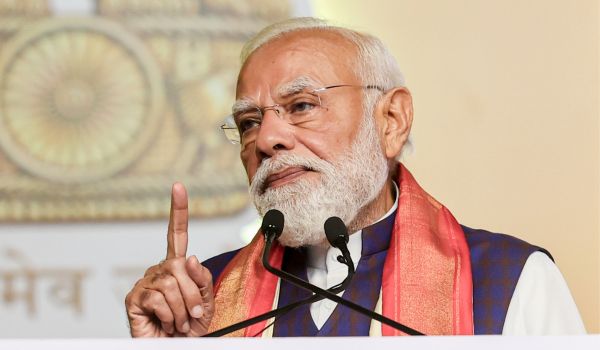
In a recent appeal to the entire nation, Prime Minister Narendra Modi asked Indians not to buy gold at least for an year. This comes at a time when the country is set for an upcoming wedding season , when gold is an integral part of the celebrations and Indian marriages.
The PM’s remarks come as crude oil prices surged sharply after the Middle East conflict and spiked tensions around the Strait of Hormuz, a crucial oil shipping route.
India, economically, shares a commonality with gold and crude oil: both are largely imported and paid for in US dollars.
India imports nearly 85% of its crude oil needs and is also one of the world’s largest gold importers.
So in that case, when crude oil prices rise sharply and gold imports remain high, India needs more dollars to pay for the imports.
That obviously creates more demand for dollars in the market putting pressure on the Indian rupee.
Unlike oil, which is essential for transport, power, and industrial activity, gold imports are generally considered discretionary spending or savings demand.
When people purchase large quantities of imported gold amid a global crisis, more dollars flow out of the country. This can widen India’s current account deficit, which measures the difference between imports and exports.
The wider the deficit, the weaker the rupee is as India will have to spend more foreign currency than it earns.
This is one of the reasons why India has become more cautious about importing gold.
Currently, due to the ongoing Middle East conflict, the crude oil prices are already higher and has weakened emerging market currencies.
If oil prices remain elevated and gold imports rise sharply, the pressure on the rupee and inflation could increase further.